The Blog Posts
Find knowledge, stories, inspiration and guidance to help you build financial confidence.
Pension vs ISA - Which One Should You Actually Prioritise?
"Tax relief now and taxed later, or no relief now and tax-free forever - that's the whole question."
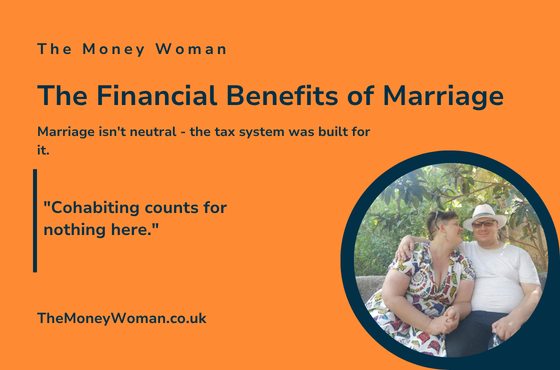
The Financial Benefits of Being Married in the UK
"Cohabiting, even for twenty years, counts for nothing here. This exemption is specifically, only, for marriage."
How to Split Bills Fairly in a Relationship (Without It Turning into a Row)
“Equal is not the same as fair. The real test is if each partner feels heard, respected and secure.”
Sinking Funds 101: How to Stop September From Ambushing You Every Year
“A sinking fund doesn't reduce what you spend. It just removes the shock of spending it all at once.”
The Cost of Overthinking: What Silence Taught Me About Making Decisions
“It's not a virtue to take more time than necessary on a decision just because it makes you look slower, more considered or more grown up.”
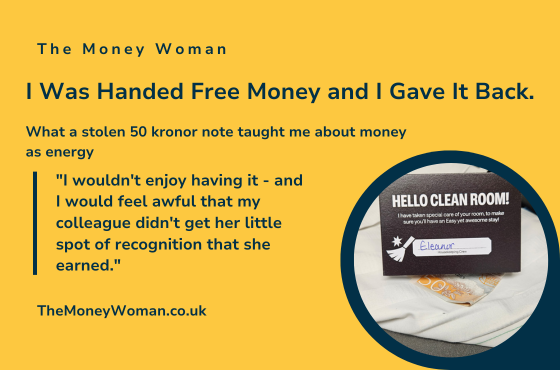
Whose Money Is It Anyway? A Stolen Tip and a Lesson in Money as Energy
"I wouldn't enjoy having it, and I would feel awful that my colleague didn't get her little spot of recognition that she earned."
How Frugal Is Too Frugal? Rags, Recycled Screws and a Lot of Patched Trousers
"Fabric is more precious than we realise and should have at least a few runs at being useful."
Where to actually put your money: a plain-English map of UK savings and investing accounts
"You were never too stupid for this. The vocabulary just wasn't explained properly until now."
£10 or £1 Million: Why Your Reaction Says Very Little About the Number
"If the amount of money predicted the feeling, that wouldn't make sense. But it's not supposed to make sense - because the feeling was never really about the amount."
Index funds are changing: what's actually happening and what it means for you
"There's a difference between knowing what you own and just assuming the word 'diversified' does all the work."
What You Have to Tell Your Insurer (And What Happens If You Don't)
The moment most people discover they got disclosure wrong is often the moment they're trying to make a claim. That's a terrible time to find out.
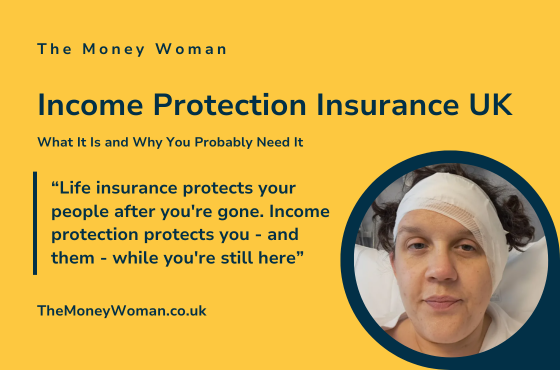
Income Protection Insurance UK: What It Is and Why You Probably Need It
"Life insurance protects your people after you're gone. Income protection protects you - and them - while you're still here."
What Actually Is Underwriting? And Do You Need to Care?
Underwriting can feel like being judged. But the point of the whole complicated, intrusive, sometimes infuriating process is to end up with a piece of paper that says: the people you love will be okay.
A decline from one insurer is not a universal verdict.
‘I’m Not Good At Maths’
“My flabbers were ghasted.”
“I'm not 'good at maths', whatever that actually means. But I am interested in this and it means something to me - so I'm going to find a way of working it out."
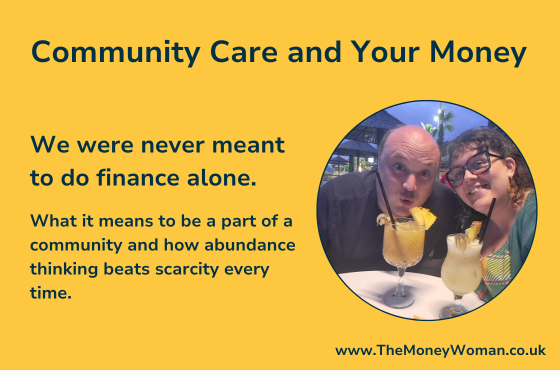
Community Care and Your Money
Social wealth doesn't appear on your net worth spreadsheet - but it is absolutely real.
Depression and Money
Managing money when you are depressed is genuinely harder. It's not a moral failing.
Financial stability isn't all about retirement or nice houses. It's about giving ourselves the breathing space that, as humans, we might need.
Clients come to me not because they're ready, but because something shifted just enough to make reaching out feel possible. That's enough - that's actually plenty.
Shame and Money
Shame is a self-fulfilling prophecy - you'll find evidence for it in everything that happens.
It's connection, rather than willpower, which will break this down
The Future, Mental Health and Your Money
The future is not something I always thought I would have. I'm on the other side of it now - and that means it's possible.
Creating a garden is an act of hope for the future. And investing works the same way - you plant something today, you don't dig it up tomorrow to check, and over time, quietly, it grows.
How Mental Health and Money Intertwine
Taking a step with your financial life is taking a step with your mental health. If the only reason you're doing it is because you're treating yourself like a pet - do that. You are worth it.